Budget-Friendly Tips for a Stylish Home Upgrade
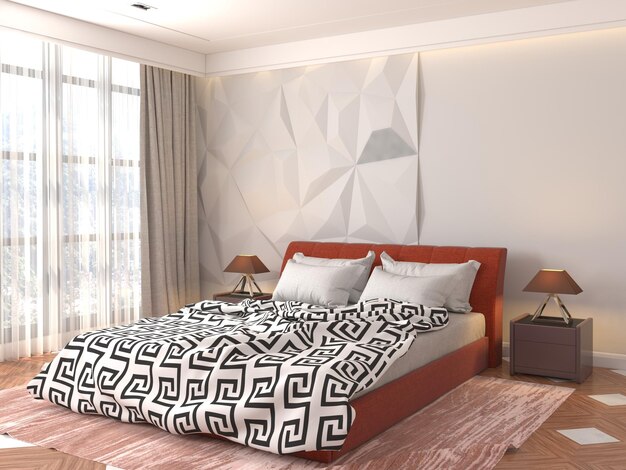
Upgrading your home doesn’t have to mean tearing down walls, buying designer furniture, or blowing your savings on big-ticket items. The most impressive transformations usually come from thoughtful edits: refining what you already have, choosing a few high-impact additions, and creating a cohesive look that feels intentional. With a clear plan and a bit of creativity, you can refresh your space in a way that looks polished, personal, and surprisingly expensive without paying for it.
Start With a Clear Visual Plan
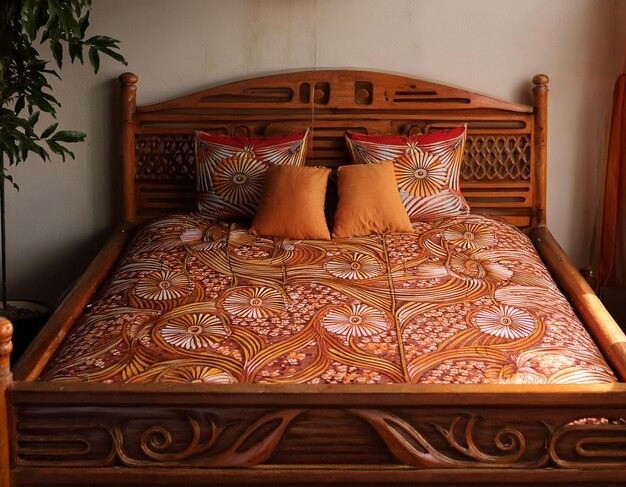
Before you buy anything, decide what “stylish” means for your home and your lifestyle. Pick a small set of guiding choices two or three colors, a preferred mood (calm, bright, cozy), and a few materials you want to repeat (wood, linen-like textures, matte black, brass). A simple method is to collect a handful of reference images and list what they have in common, then translate those patterns into affordable versions you can actually maintain. This is also where a traditional bedsheet can become a clever tool: repurpose it into a quick table cover, a simple curtain panel, or even a temporary slipcover to test a color idea before committing to new textiles.
Refresh Soft Layers for Instant Impact
Textiles change the “temperature” of a room faster than almost anything else, and they’re often cheaper to swap than furniture. Rotate cushion covers, add a throw with visible texture, or layer a small rug over a larger neutral one for depth. Try mixing a smooth fabric with something nubby or woven so the room feels styled rather than matched. If you like collecting home decor ideas, focus on flexible pieces you can move from room to room—like a throw that works on a sofa today and a reading chair later, so every purchase pulls double duty.
Upgrade Lighting Without Rewiring
Lighting is one of the most overlooked style upgrades because it feels technical, but you can do a lot with plug-in solutions. Add a floor lamp to brighten a dark corner, swap to warmer bulbs for a more inviting glow, or install battery-powered puck lights under shelves for a boutique feel. For a more dramatic effect, aim for layered light: one overhead source, one task lamp, and one softer accent light. When your lighting is balanced, the entire space looks more intentional, even if the furniture is simple.
Use Paint Strategically for Big Style on a Small Budget
Paint is usually the cheapest way to make a room feel new, but “strategic” matters more than “more.” Instead of painting every wall, consider a single accent area, a color-blocked arch, or repainting trim in a clean, consistent tone to make the whole room look sharper. You can also paint a dated piece of furniture to coordinate with your palette, which helps the space feel curated. The trick is to repeat the chosen color elsewhere, like a vase or frame, so it looks designed rather than random.
Shop Your Home and Re-Edit the Layout
A stylish home often starts with subtraction. Remove anything that doesn’t fit the mood you want, then reorganize what remains to emphasize flow and comfort. Try pulling furniture slightly away from walls to create breathing room, or angle a chair to form a conversation area. Move art from one room to another to see it with fresh eyes, and group decor in threes with varied heights for a collected look. You’ll be surprised how much “newness” you can get from simply rearranging and refining.
Add Texture and Depth With Budget Materials
Texture is what makes a space feel rich, even when the items are inexpensive. Think of it as visual variety: a woven basket beside a smooth ceramic vase, a matte lamp base near a glossy frame, or a chunky knit throw against a sleek chair. You can bring this in with thrifted wood trays, jute accents, or DIY wall hangings made from simple materials. The goal is not to add more stuff, but to add better contrast so the room reads as layered and welcoming.
Make Small Hardware Changes That Look High-End
Hardware is the jewelry of a room, and it’s one of the most cost-effective upgrades available. Swapping cabinet pulls, drawer knobs, or even switch plates can instantly modernize a space. Pick one finish and repeat it consistently. Mixed metals can look great, but only when it’s intentional. Keep shapes cohesive, too, if you choose rounded pulls in one area, echo that curve somewhere else. This tiny change can make older furniture and kitchens feel refreshed without any renovation.

Style Surfaces Like a Designer
The difference between clutter and “styled” often comes down to spacing and grouping. On coffee tables, use a tray to contain small items, then add one organic element (like a plant) and one personal element (like a book you actually love). On shelves, leave space so each object looks chosen rather than crammed. If you want a look associated with modern interior design, focus on clean lines, a limited color story, and a few bold shapes rather than lots of small knick-knacks scattered everywhere.
Keep the Upgrade Sustainable and Easy to Maintain
A budget-friendly refresh lasts longer when it’s practical. Choose materials you can wipe clean, fabrics that can handle daily life, and storage solutions that match how you actually live. If you tend to drop keys by the door, add a simple bowl or hook right where you need it. If laundry piles up, place a hamper where it naturally happens instead of forcing yourself into a system you won’t keep. When your home supports your habits, it stays stylish with less effort and fewer impulse purchases.
Conclusion
A stylish home upgrade isn’t about copying a perfect showroom or buying everything new; it’s about making smart, intentional choices that elevate what you already have. Focus on a clear plan, refresh the soft details, improve lighting, and edit your layout before spending heavily. With a few thoughtful updates and a commitment to consistency, you can create a home that feels fresh, personal, and beautifully put together while staying firmly within your budget.
Explore
Blog
Guides
Resources
Connect
Newsletter